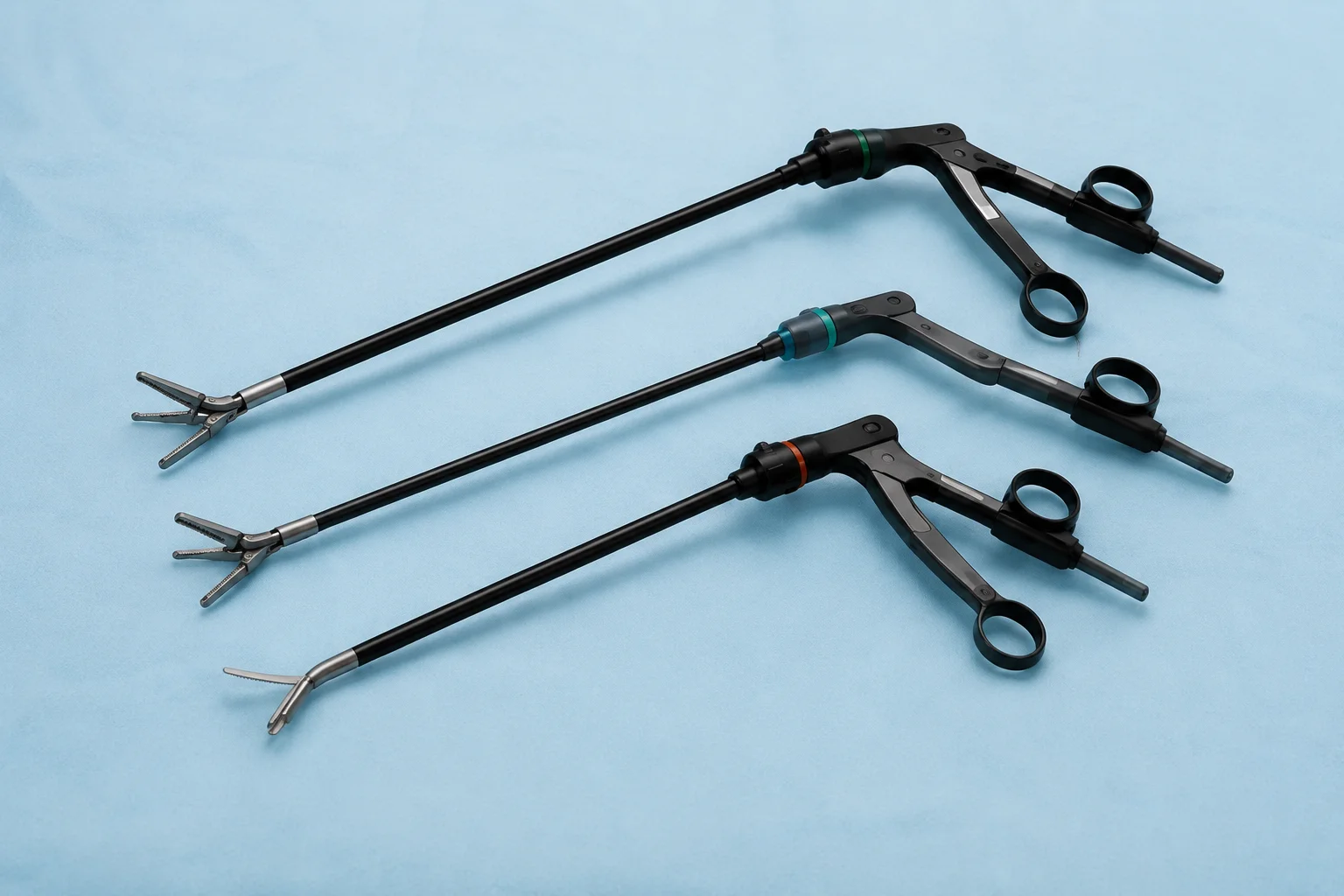
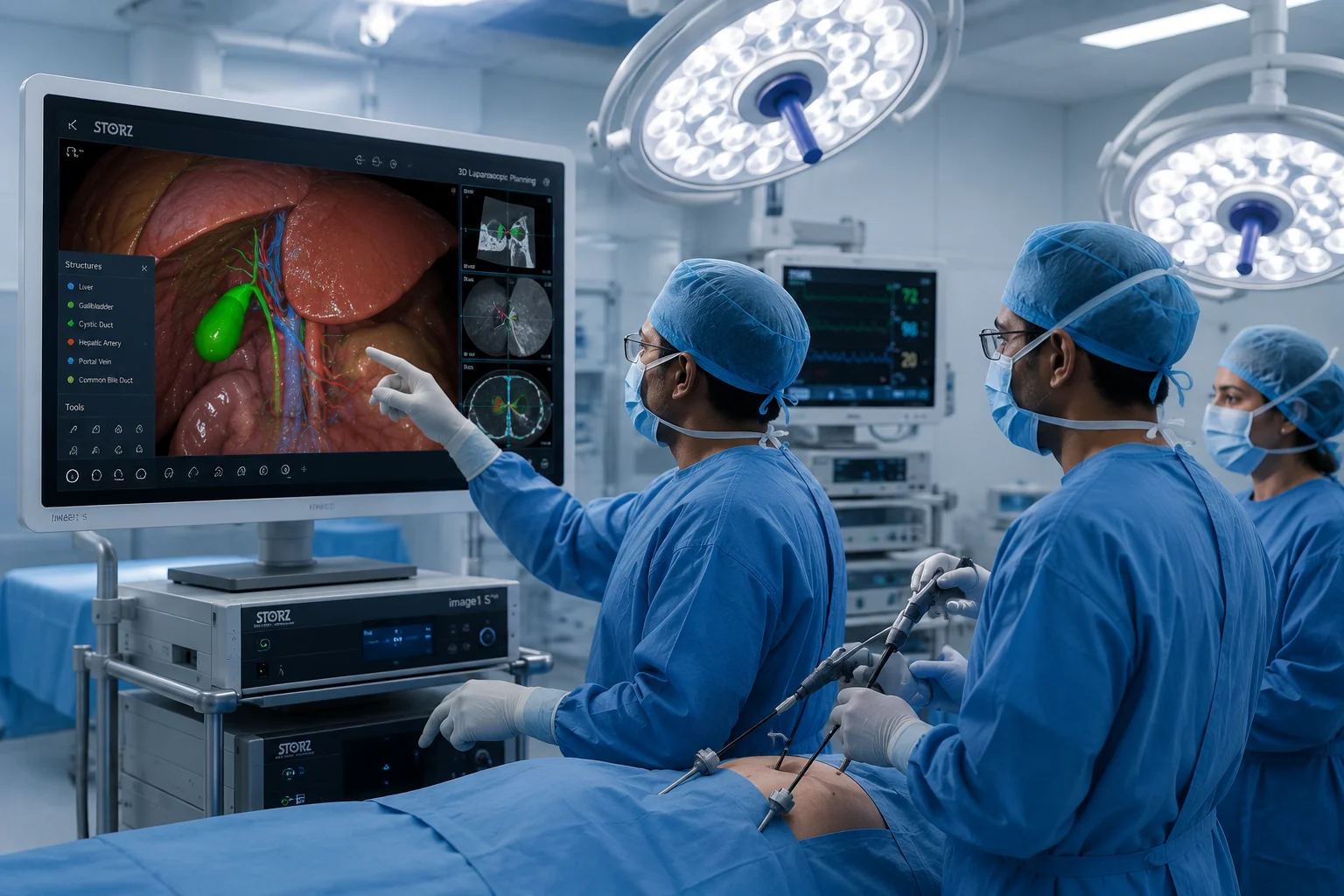
Articulating laparoscopic technology provides enhanced instrument flexibility during selected minimally invasive procedures. Unlike conventional straight laparoscopic instruments, articulating instruments allow improved movement and angulation inside the surgical field, helping surgeons perform complex dissections in confined anatomical spaces.
Important: Articulating laparoscopic technology is not robotic surgery. It enhances instrument flexibility during selected laparoscopic procedures while remaining completely surgeon-controlled.
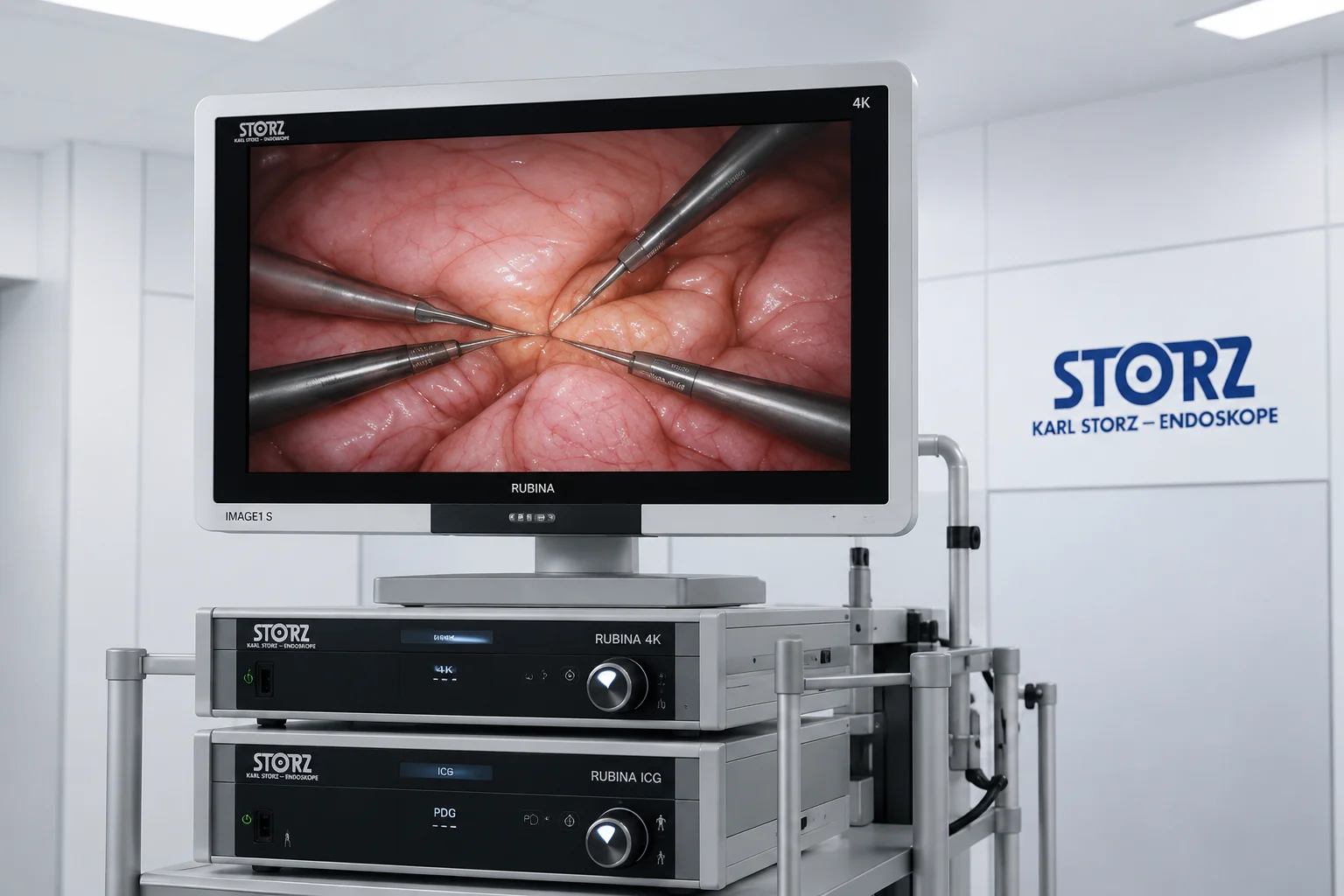
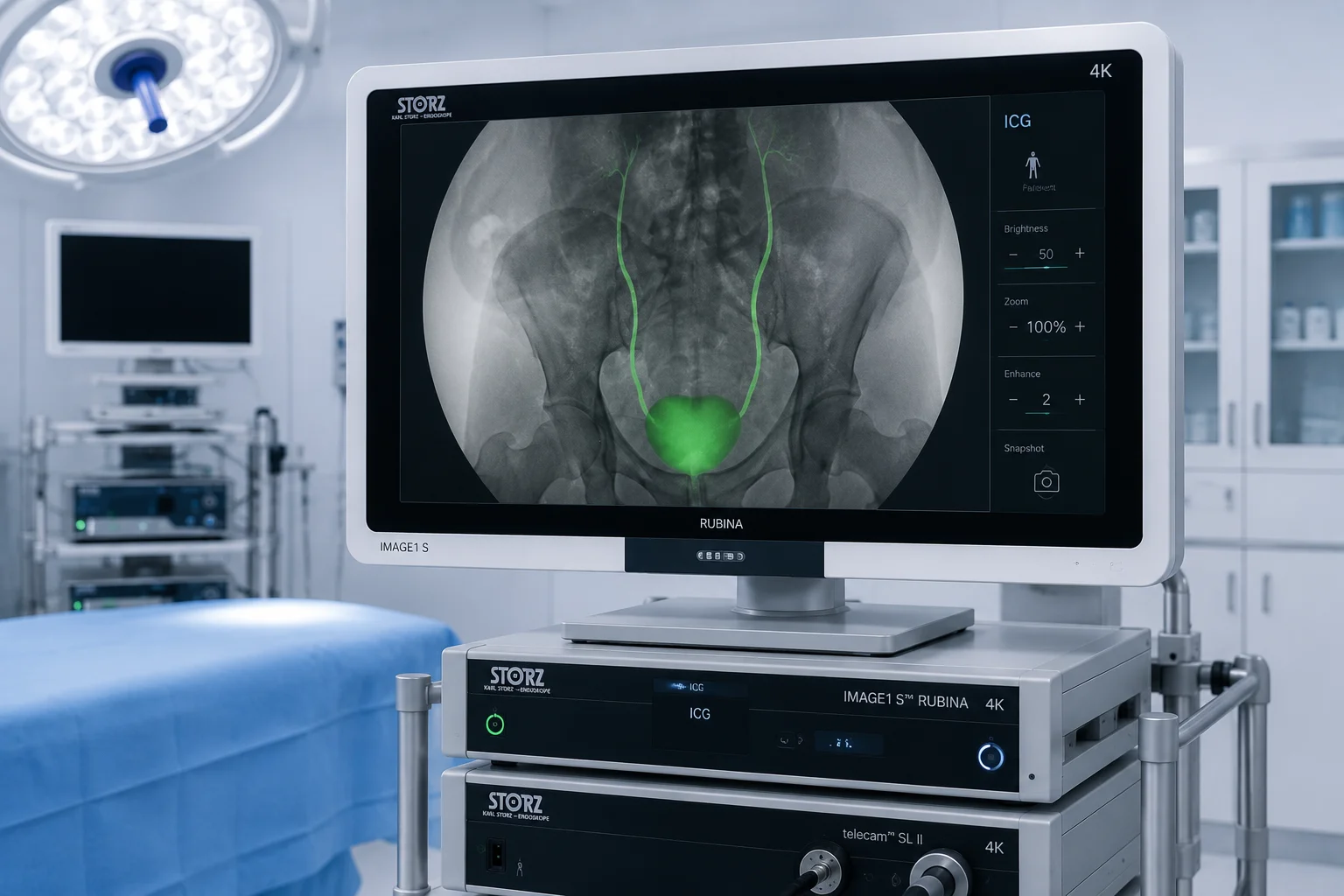
The Karl Storz RUBINA® platform combines ultra-high-definition 4K imaging with fluorescence-guided visualization using Indocyanine Green (ICG). This technology helps surgeons visualize important anatomical structures with exceptional clarity during selected procedures.
The use of fluorescence imaging depends on the type of surgery and the operating surgeon's clinical judgment.
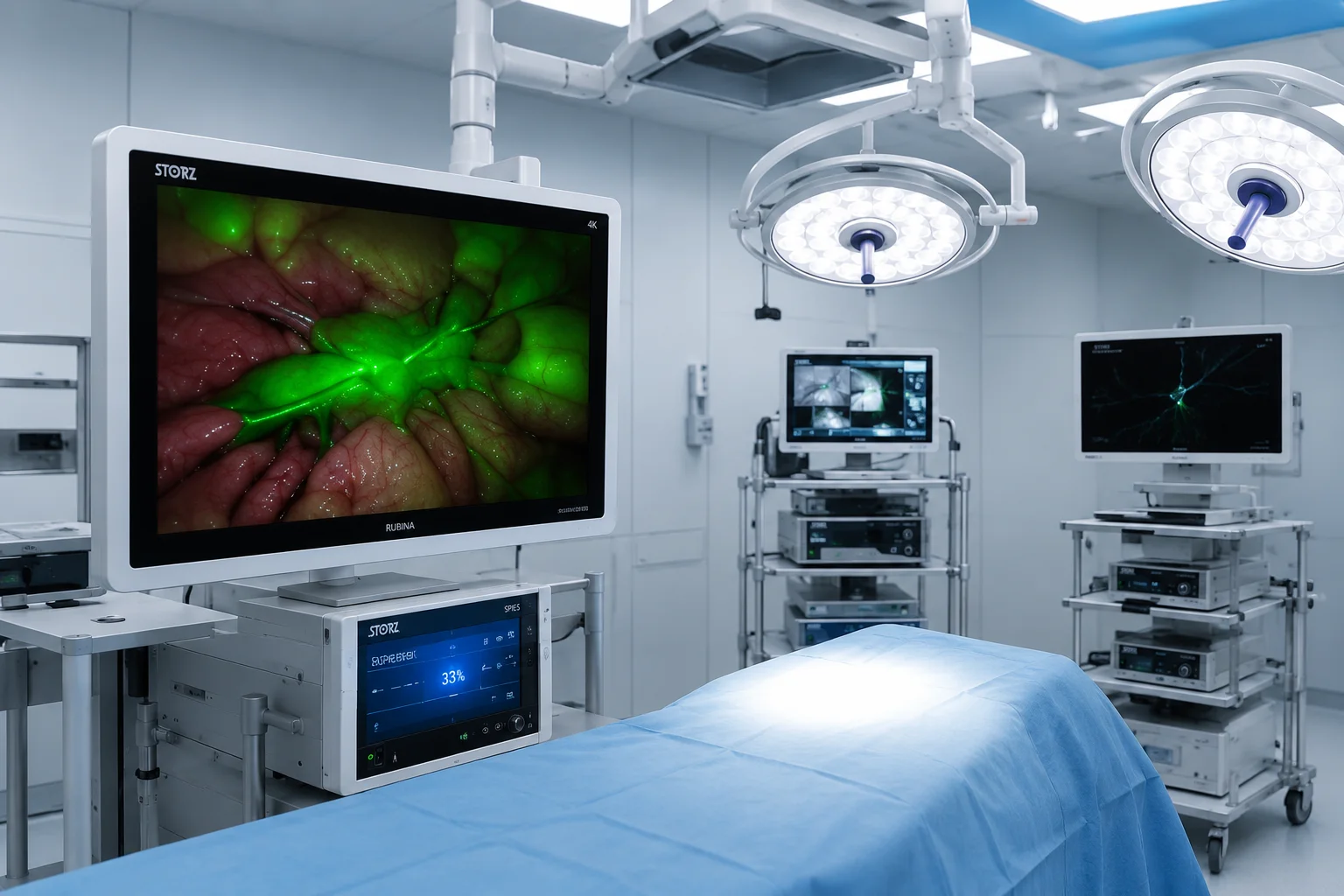
Indocyanine Green (ICG) fluorescence imaging allows surgeons to visualize blood flow and tissue perfusion during selected surgical procedures. When viewed through specialized imaging systems, ICG fluorescence provides additional information that may support surgical precision.
After administration of Indocyanine Green dye, specialized imaging equipment detects fluorescence to visualize blood vessels and tissue perfusion in real time.
Each technology is selected based on the patient's clinical condition and surgical requirements.
| Technology | Primary Purpose | May Be Used For |
|---|---|---|
| FaciaTens™ | Abdominal Wall Reconstruction | Complex Hernia Surgery |
| Articulating Laparoscopy | Enhanced Instrument Movement | Laparoscopic Procedures |
| 4K RUBINA® | High Definition Imaging | Precision Surgery |
| ICG Guided Visualization | Blood Flow Assessment | Selected General & GI Surgery |
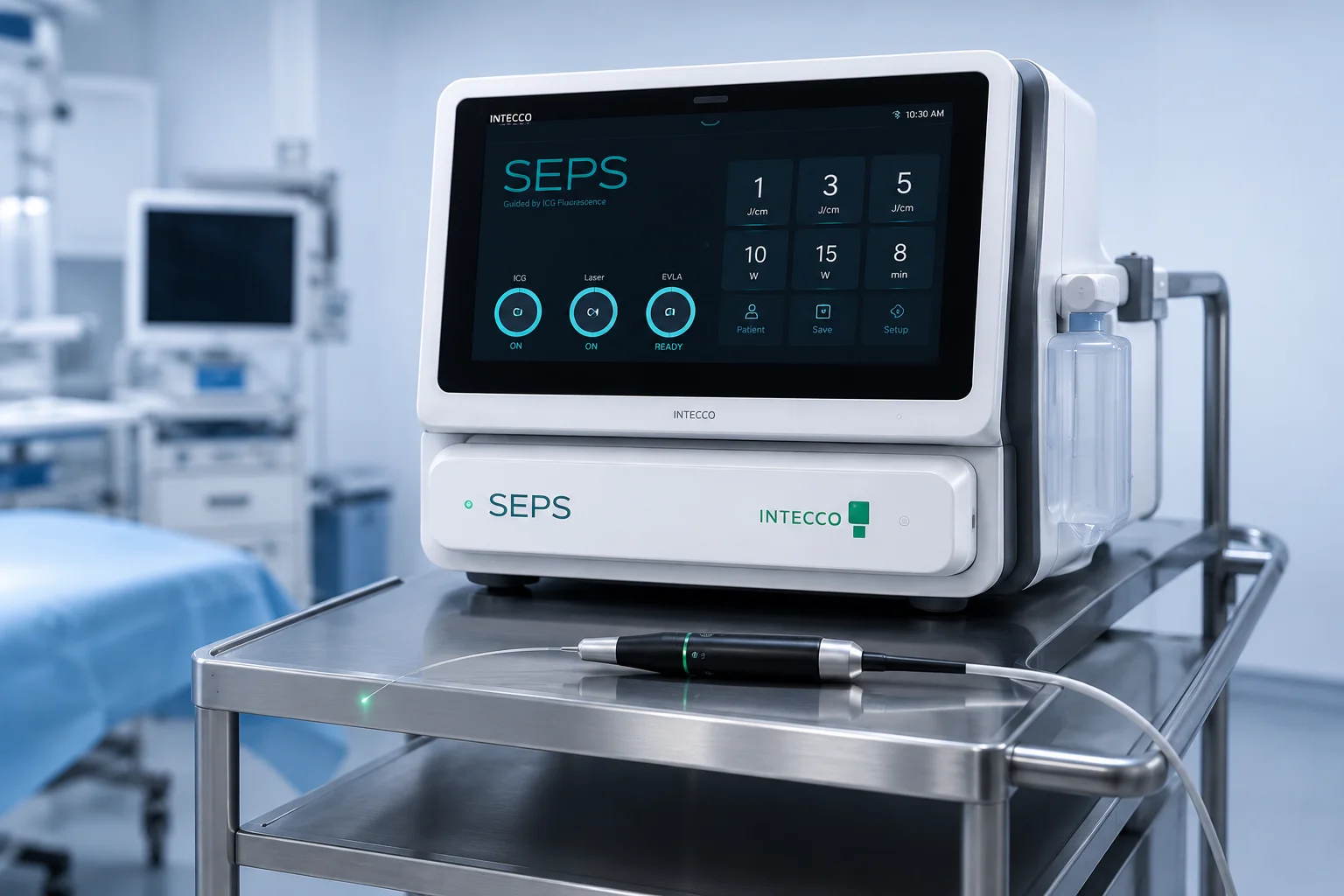
Sree Nandaka Advanced Surgery offers treatment options for selected patients with varicose veins using Endovenous Laser Ablation (EVLA) and Subfascial Endoscopic Perforator Surgery (SEPS). These minimally invasive techniques are designed to address venous insufficiency while supporting recovery and improved patient comfort.
Identification of the ureter is an important aspect of many abdominal and pelvic surgical procedures. Fluorescence-guided visualization using Indocyanine Green (ICG) may assist surgeons in identifying ureteral anatomy in selected clinical situations.
ICG-guided ureteral visualization is utilized only when clinically appropriate and at the discretion of the operating surgeon.
Every surgery begins with careful planning. Our surgeons combine clinical assessment with modern diagnostic imaging and preoperative assessment to develop individualized surgical plans for every patient.
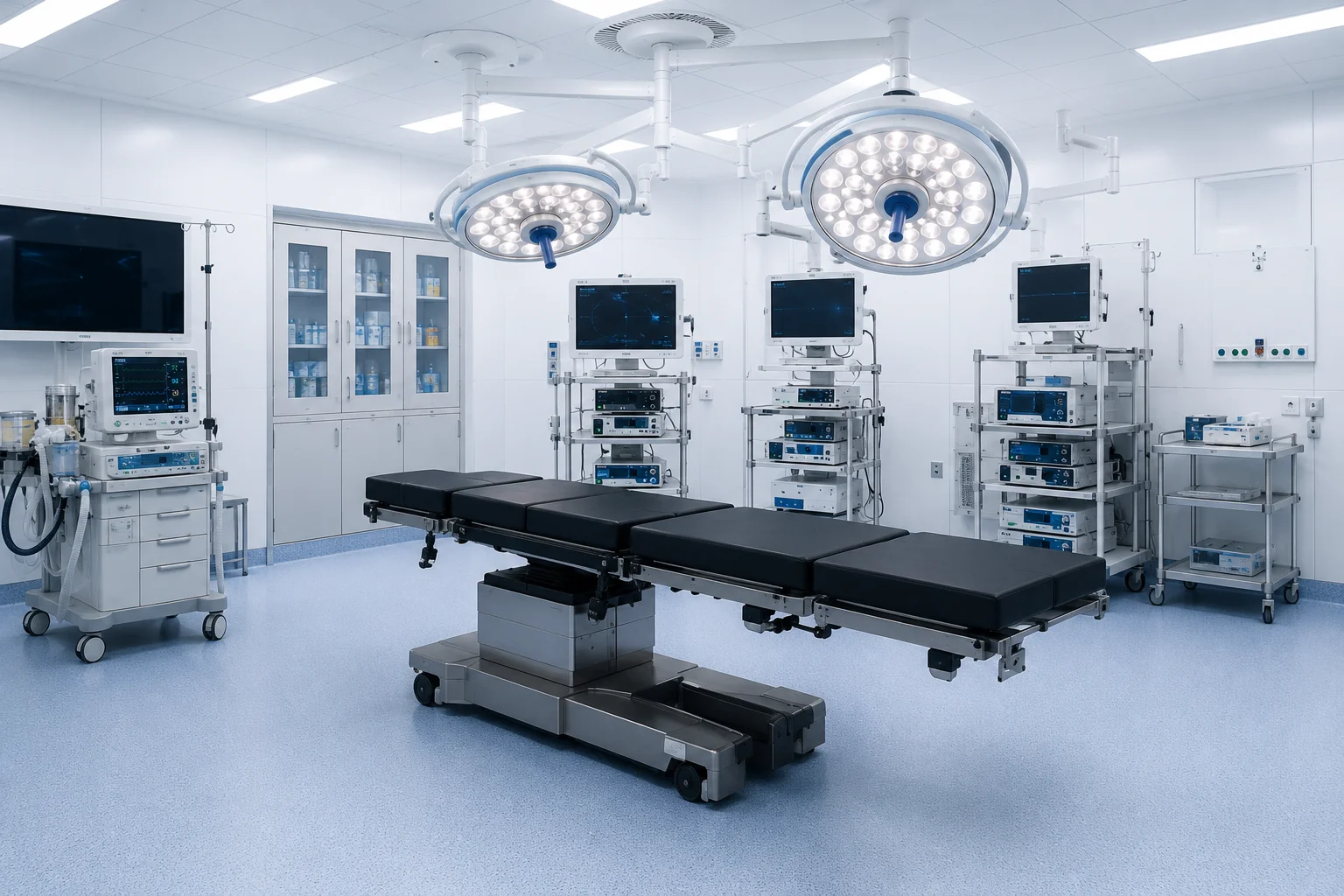
Our modular operation theatres are designed with infection-control standards, laminar airflow systems, HEPA filtration and modern surgical infrastructure to support complex surgical procedures.
Surgeons and modern surgical equipment at one hospital in Kompally.
From consultation to recovery, our multidisciplinary team supports you at every stage.
Meet our specialist for evaluation, diagnosis and discussion of suitable treatment options.
Investigations and imaging help create a personalized treatment plan.
Modern surgical technologies assist our surgeons during selected procedures.
Enhanced recovery protocols help patients return to daily activities sooner whenever appropriate.
Karl Storz RUBINA® imaging system
Modular operation theatre
Laparoscopic instruments
Surgical technology here refers to modern equipment and visualization systems that assist surgeons during selected procedures.
No. Articulating laparoscopic technology is not robotic surgery. It enhances instrument flexibility while remaining completely surgeon-controlled.
ICG Fluorescence Imaging helps surgeons visualize blood flow and tissue perfusion during selected procedures.
No. The choice of technology depends on the patient's condition, clinical findings and the surgeon's assessment.
Many technologies support minimally invasive surgery when clinically appropriate.
Consult our surgeons to understand whether these technologies are suitable for your condition.
Our surgeons evaluate elective and urgent surgical conditions during hospital hours; for emergencies, go to the nearest emergency department.
Call Us