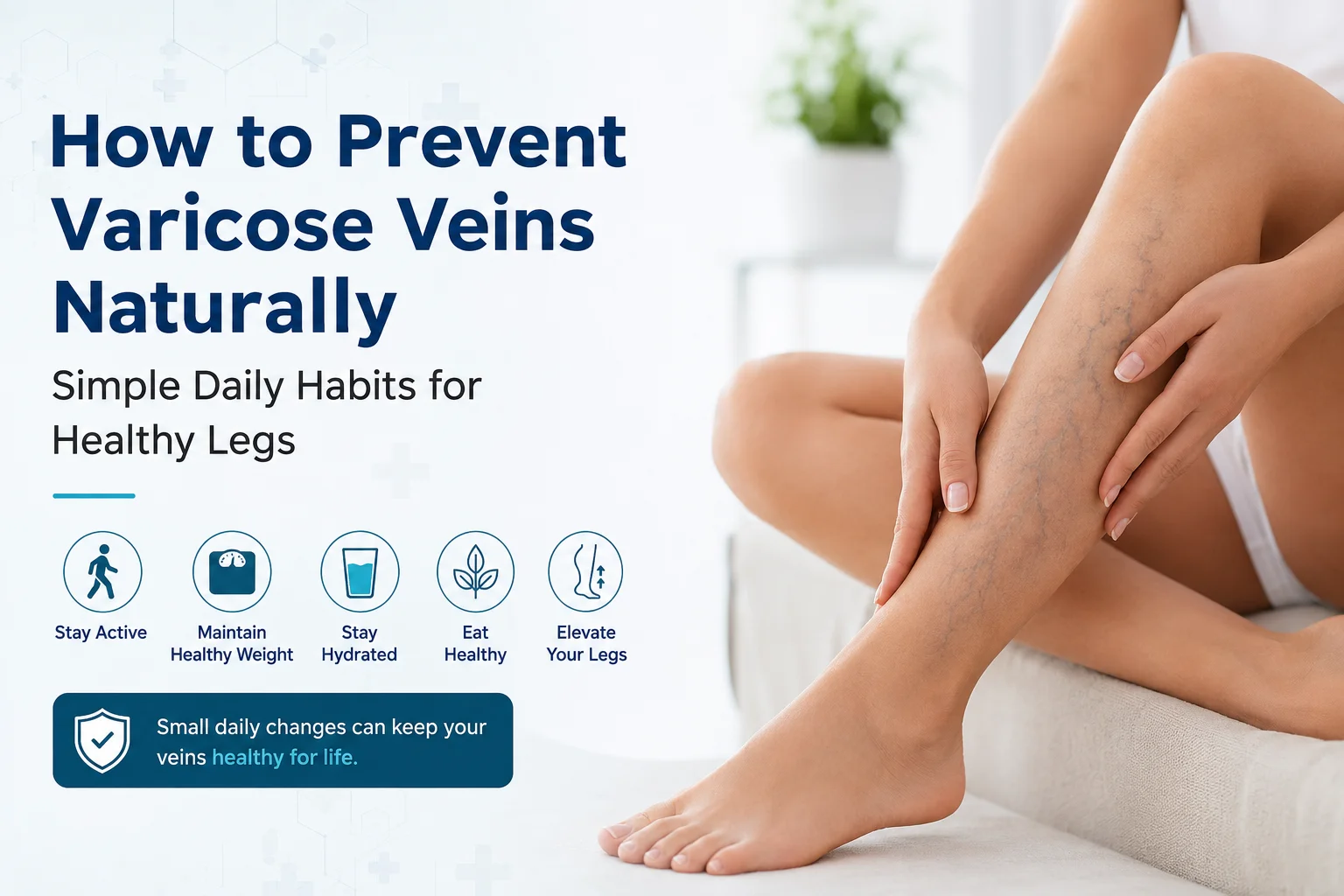
Varicose veins are a common health condition that affects millions of people, particularly those who spend long hours standing or sitting. These enlarged, twisted veins usually appear on the legs and may cause discomfort, heaviness, swelling, pain, and skin-related complications if left untreated.
Although treatments such as laser therapy are available, prevention remains important. By adopting healthy lifestyle habits and improving blood circulation, you can significantly reduce your risk of developing varicose veins.
What Are Varicose Veins?
Varicose veins are swollen, enlarged veins that commonly appear blue or dark purple beneath the skin. They usually develop in the legs because standing and walking increase pressure in the lower limb veins.
When the tiny valves inside the veins become weak or damaged, blood begins to pool instead of flowing efficiently back to the heart. Over time, this increased pressure causes the veins to enlarge and become visibly twisted.
Common Symptoms of Varicose Veins
Leg pain, swelling, heaviness, itching, muscle cramps, burning sensation, and visibly bulging veins are common early signs that should not be ignored.
Who Is at Higher Risk?
Certain individuals have a greater chance of developing varicose veins due to lifestyle and health-related factors.
- Family history of varicose veins
- Obesity
- Pregnancy
- Age-related weakening of veins
- Hormonal changes
- Lack of regular physical activity
- Standing or sitting for prolonged periods
- Occupations such as teachers, nurses, drivers, security guards, and office employees
10 Simple Daily Habits to Prevent Varicose Veins Naturally
1. Stay Physically Active
Walking, swimming, cycling, stretching, and yoga help improve blood circulation and strengthen calf muscles, allowing blood to return efficiently to the heart.
2. Avoid Standing or Sitting for Long Hours
Remaining in one position for extended periods increases pressure inside the leg veins. Take short walking breaks, stretch your legs regularly, and avoid crossing your legs while sitting.
3. Maintain a Healthy Body Weight
Excess weight places additional pressure on your veins. Maintaining an ideal body weight supports better circulation and reduces stress on the lower limbs.
4. Eat a Vein-Friendly Diet
Consume fiber-rich foods like fruits, vegetables, oats, and whole grains. Include potassium-rich foods such as bananas and spinach, along with vitamin C and antioxidant-rich foods that strengthen blood vessel walls.
5. Elevate Your Legs
Raising your legs above heart level for 15 to 20 minutes daily helps reduce swelling and improves blood flow back toward the heart.
6. Wear Comfortable Clothing
Tight clothing around the waist and legs can restrict circulation. Loose-fitting clothes and supportive footwear help maintain healthy blood flow.
7. Use Compression Stockings
If recommended by your doctor, compression stockings gently improve circulation and help reduce swelling, discomfort, and vein enlargement.
8. Stay Hydrated
Drinking sufficient water supports healthy circulation, prevents muscle cramps, and contributes to overall vascular health.
9. Avoid Smoking and Excessive Alcohol
Smoking damages blood vessels, while excessive alcohol consumption may weaken vein walls and worsen swelling. Avoiding these habits benefits overall vein health.
10. Do Not Ignore Early Symptoms
Early symptoms such as leg pain, visible veins, swelling, burning sensation, and night cramps should be evaluated by a vascular specialist before complications develop.
Can Varicose Veins Be Completely Prevented?
While factors such as genetics and aging cannot be controlled, healthy lifestyle choices can significantly reduce the risk of developing varicose veins. Regular exercise, a balanced diet, weight management, leg elevation, and avoiding prolonged standing all contribute to healthier veins.
Healthy Veins Start with Healthy Habits
Daily exercise, balanced nutrition, proper hydration, weight control, and improved circulation are the best long-term strategies for preventing varicose veins.
Final Thoughts
Varicose veins are more than just a cosmetic concern. If left untreated, they can affect comfort, mobility, and quality of life. By following simple preventive measures and seeking medical advice when symptoms first appear, you can protect your vein health and avoid future complications.
Consult a Varicose Veins Specialist Today
If you're experiencing leg pain, swelling, visible veins, or heaviness, consult our surgical team for early diagnosis and treatment options.
Book Consultation